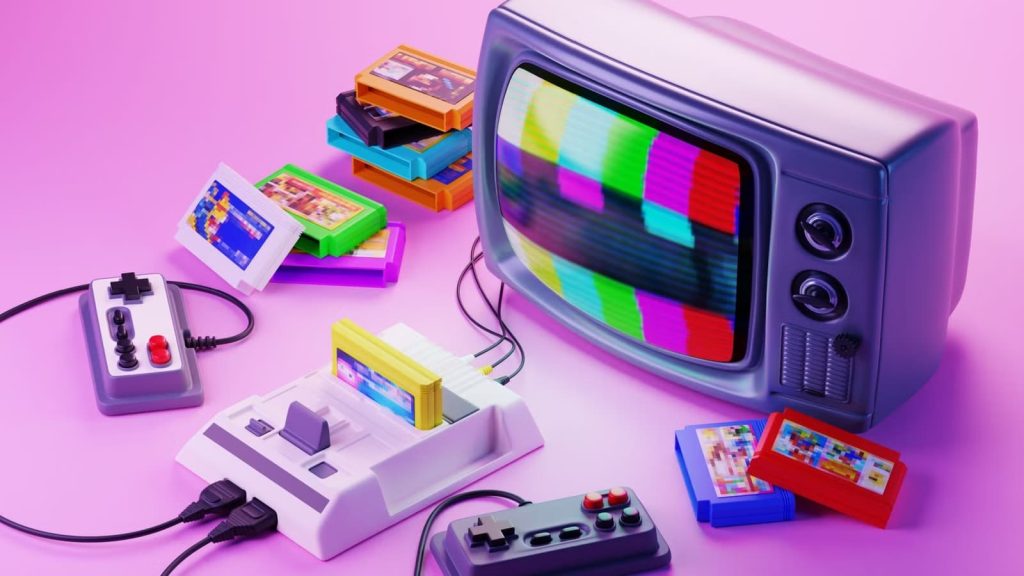

Flat screens dominate modern living rooms, but a surprising counter-trend is gaining momentum. Retro gamers are actively reviving demand for boxy CRT televisions once considered obsolete. What started as a niche hobby has grown into a visible market shift, driven by technical advantages, nostalgia, and a growing appreciation for authentic gaming experiences.
Why Retro Gamers Prefer CRT Televisions
Classic consoles from the 1980s and 1990s were designed specifically for CRT technology. These televisions display games exactly as developers intended, without distortion or lag.
CRT screens handle low resolutions natively, producing sharper pixel edges and smoother motion for older titles. On modern flat screens, these same games often appear stretched, blurry, or delayed due to scaling and processing.
For competitive retro players, especially those focused on precision-based games, display accuracy is not optional.
Input Lag and Performance Advantages
One of the strongest arguments for CRT revival is input lag. Modern TVs process digital signals, adding milliseconds of delay. While insignificant for casual viewing, this delay matters in fast-paced gaming.
Why Input Lag Matters in Retro Games
Classic games often rely on frame-perfect timing. CRT televisions display signals instantly, giving players immediate feedback. This creates a more responsive and authentic gameplay loop that modern displays struggle to replicate without specialized equipment.
For speedrunners and competitive retro gamers, CRTs provide a measurable performance edge.
The Nostalgia Factor Driving Demand
Beyond performance, emotional connection plays a major role. Many gamers associate CRT televisions with childhood memories—late nights, shared screens, and local multiplayer sessions.
The physical presence of a boxy TV, complete with scanlines and curved glass, enhances immersion. This nostalgia-driven demand has pushed CRTs from thrift-store leftovers to sought-after collectibles.
Supply Shortages and Rising Prices
As demand increases, supply continues to shrink. CRT televisions are no longer manufactured, and many units were discarded during the transition to flat screens.
Today, functional models are becoming harder to find, especially high-quality units from trusted brands. Prices on resale platforms have risen sharply, with some rare models selling for hundreds of dollars.
Key factors affecting CRT value include:
- screen size and condition
- compatibility with multiple input formats
This shift mirrors other retro technology revivals, where scarcity fuels market interest.
How Streaming and Content Creation Fuel the Trend
Retro gaming content has exploded across streaming platforms and social media. Viewers expect authenticity, and creators are responding by showcasing original hardware setups—including CRT televisions.
Seeing classic games displayed correctly reinforces the idea that CRTs are not outdated but purpose-built. This exposure introduces younger audiences to older technology and expands demand beyond original console owners.
Technical Limitations of Modern Alternatives
Some modern solutions attempt to replicate CRT performance through upscalers or filters. While these tools improve compatibility, they rarely achieve the same visual or tactile experience.
Why Emulation Is Not Enough for Purists
Emulators and flat-panel displays can simulate scanlines, but they cannot fully reproduce motion clarity or zero-lag response. For enthusiasts, the difference is noticeable and meaningful.
This gap keeps CRT televisions relevant despite advances in display technology.
Space, Power, and Practical Challenges
CRTs are heavy, bulky, and energy-inefficient compared to modern TVs. These drawbacks limit adoption among casual users but have not slowed dedicated enthusiasts.
Gamers willing to trade convenience for authenticity view these limitations as part of the experience. Some even treat CRT ownership as a badge of commitment to the hobby.
What This Revival Says About Gaming Culture
The return of boxy televisions reflects a broader shift toward preservation and authenticity. As gaming becomes increasingly digital and service-based, retro communities emphasize ownership, physical media, and original hardware.
This mindset aligns with trends seen in other entertainment sectors, where older formats regain value as modern experiences become more abstract and less tangible.
The Bottom Line
Retro gamers are not reviving CRT televisions by accident. The combination of performance benefits, authentic visuals, nostalgia, and content-driven exposure has created genuine demand for boxy TVs once written off as obsolete.
As long as classic games remain popular and authenticity matters, CRT televisions will continue to hold cultural and practical value—proving that newer is not always better when it comes to gaming experiences.